Why Northern Seasonality is Intense
In temperate southern zones, a farmer might harvest lettuce almost continuously across three quarters of the year. In Scandinavia, the ground freezes solid in November and may not thaw fully until April. This dramatic compressed calendar forces kitchen menus to change drastically four times a year.
When a seasonal ingredient arrives in the Nordics, it does not trickle in quietly; it explodes in overwhelming abundance. When wild garlic blankets forest floors in late April, restaurant kitchens smell like pungent garlicky perfume for three weeks straight. When mackerel arrive along the southern Norwegian coasts in July, smokehouses run day and night.
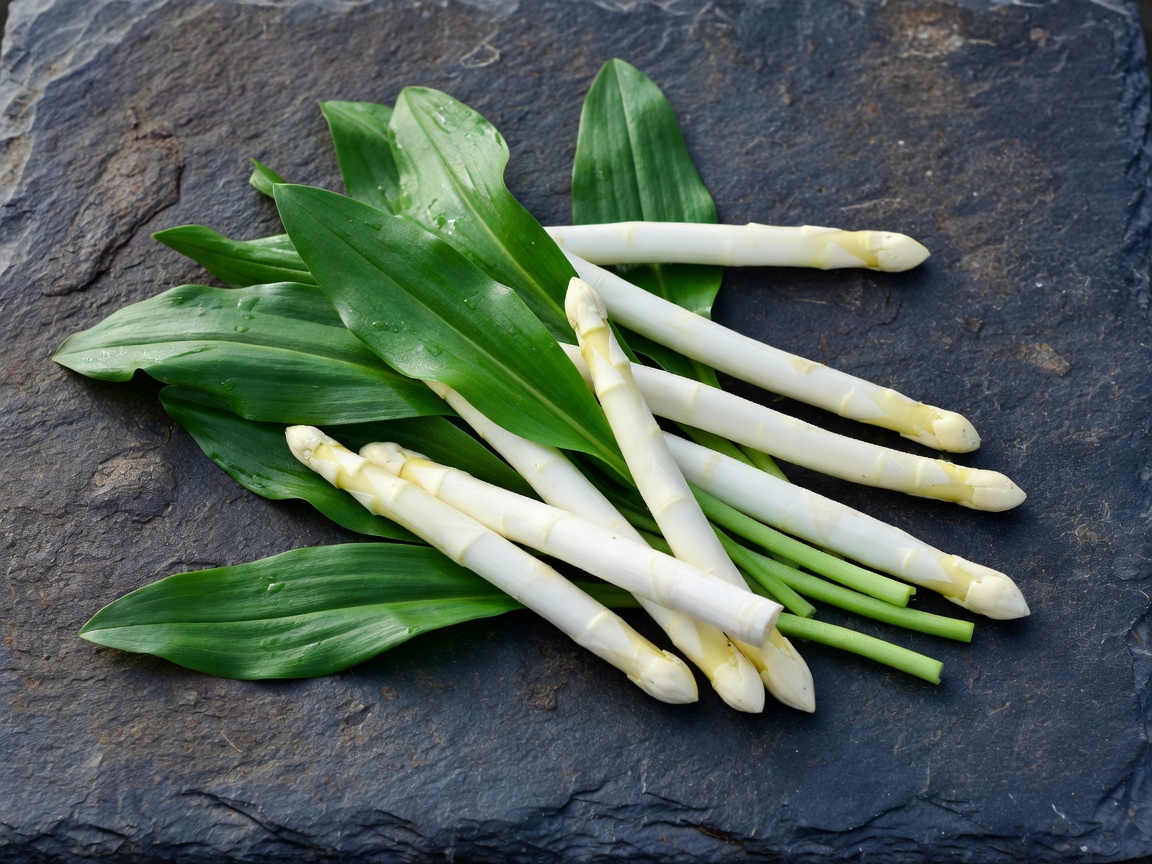
Spring: The Awakening & Green Shoots
After five months of root cellars and salted meats, spring is greeted with unrestrained celebration. Chefs and home cooks head into deciduous woodlands to harvest wild ramsons (ramsløg), delicate wood sorrel, tender nettles for soup, and young spruce tips whose citrus-pine acidity brightens vinaigrettes and syrups.
Summer: 20-Hour Sun & Berry Delirium
From late June to mid-August, the sun barely dips below the horizon. The extended photosynthetic hours give fruits and berries extraordinary aromatic density. Northern strawberries (jordbær) are famously sweet because the cool night air prevents sugars from respiring away.
In July, the wild berry season kicks off in earnest:
- Bilberries (Blåbär): Unlike cultivated North American blueberries, European bilberries are blue-black all the way through their flesh. They stain your tongue and fingers deep purple and carry an intense, wine-like fruitiness.
- Cloudberries (Hjortron / Molter): Growing singly on low plants in soggy, sub-Arctic peat bogs, cloudberries ripen from hard ruby red to soft, translucent golden-orange. They taste of honey, dried apricot, and wild musk.
- Wild Strawberries (Smultron): Tiny, highly fragile woodland strawberries gathered on dried grass stems, traditionally immortalized in Swedish summer memory.
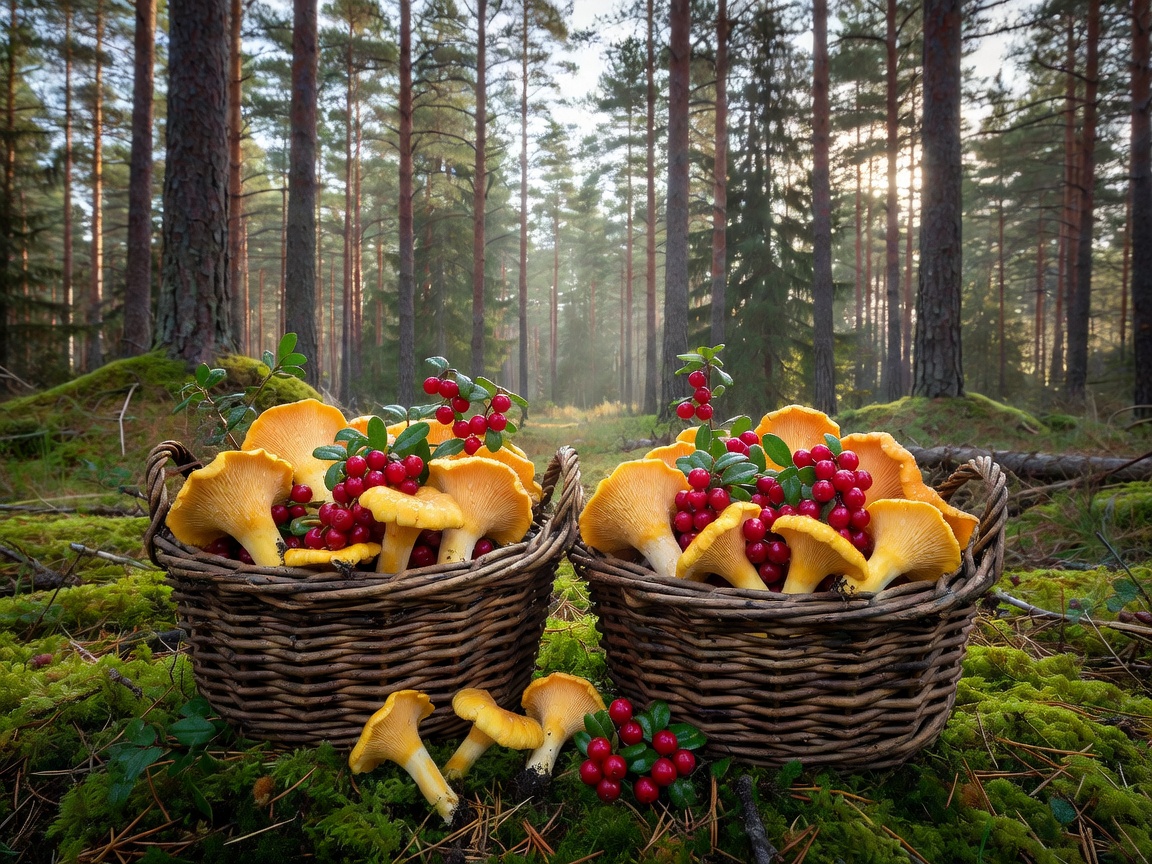
Autumn: Fungi, Game & Orchard Apples
Autumn is widely considered by northern chefs to be the greatest season of all. The mossy pine floors burst with golden chanterelles (kantareller), trumpet chanterelles, and porcini (karljohan). It is the season of tart lingonberries, crisp heritage apples, slow-cooked game meats like venison and elk, and hearty root braises.
Winter: The Art of the Preserved Pantry
When sub-zero winds sweep across the Kattegat and Baltic seas, the outdoor growing calendar pauses. Historically, winter cooking was defined entirely by what survived in cellars, crocks, and smoking lofts.
Today, winter dining in Scandinavia showcases the genius of those survival strategies: lacto-fermented plums and gooseberries preserved during August add bright acidity to roasted venison; salted and smoked cod bones create velvety emulsified sauces; and slow-roasted root vegetables like celeriac and Jerusalem artichokes develop deep caramelized notes when cooked over birch embers.
Sea Seasons: Cold Water Shellfish
A counter-intuitive truth of Nordic food is that shellfish is actually at its absolute peak in the dead of winter. As ocean temperatures drop toward 2°C in the North Sea and Swedish Skagerrak, langoustines (Norway lobsters), blue mussels, oysters, and cold-water prawns slow their metabolism.
Their meat firms up and turns sweet, clean, and plump. If you want the most memorable raw oyster or steamed langoustine experience of your life, visit coastal fishing ports between November and February rather than high summer.