The Nordic Dining Landscape Explained
If your mental image of Scandinavian dining involves formal waiters whispering in silent rooms with gold-rimmed plates, you are in for a pleasant shock. Even at the highest international levels, Nordic dining culture tends toward warm minimalism: bare wood tables, soft acoustic paneling, playlists curated by the kitchen staff, and service that feels like an attentive friend who happens to know everything about wild wood sorrel.
Understanding how to choose where to eat in Copenhagen, Stockholm, Oslo, Helsinki, or Reykjavík comes down to recognizing the different categories of dining spaces. You will encounter everything from historic basement taverns serving centuries-old recipes to energetic natural wine bars where the small plates outshine the cellar.
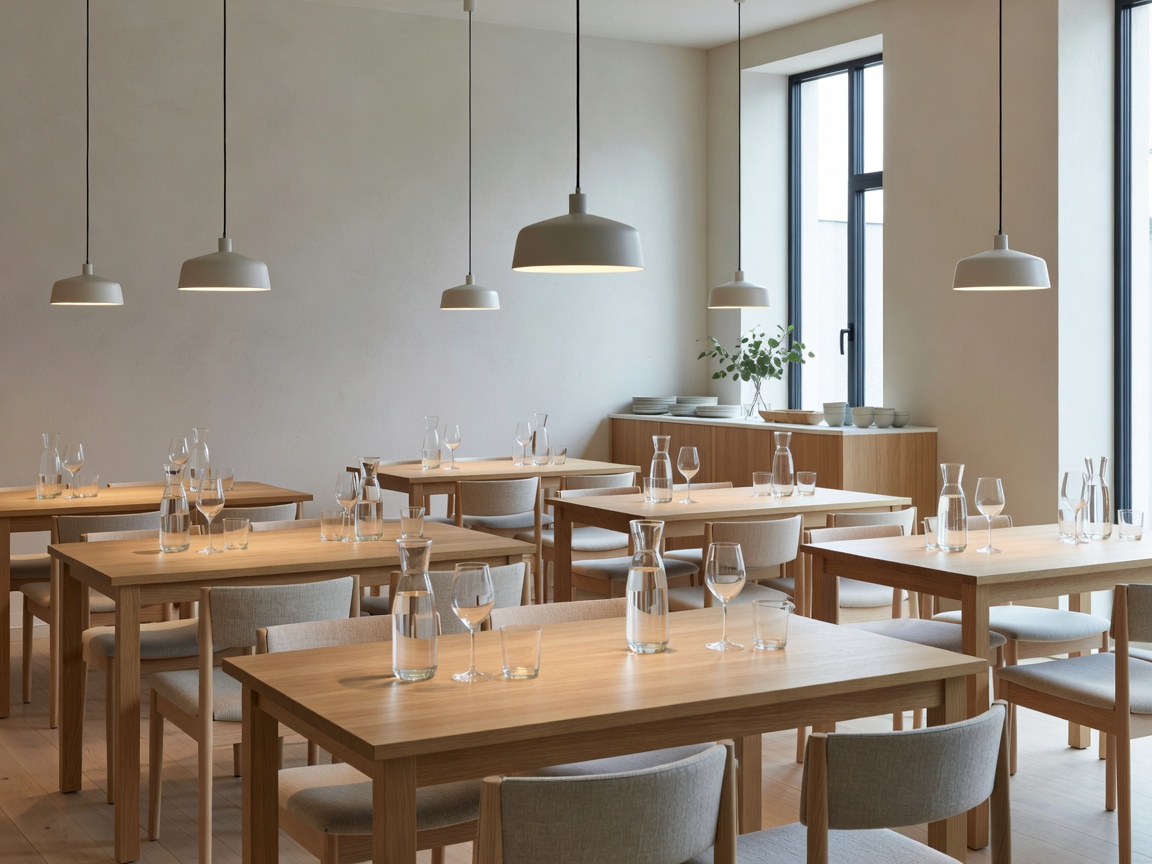
Neighborhood Bistros & Natural Wine Bars
The neighborhood bistro (often called a kvarterskrog in Sweden or simply a wine bar with kitchen in Denmark) is where Nordic diners actually eat on a Tuesday evening. Menus are chalked onto blackboards or printed on small cards daily. Expect sourdough flatbreads with smoked trout roe, charred spring cabbage with brown butter, and roasted pork belly with fermented plums.
Contemporary Nordic Tasting Menus
The culinary revolution that started with the New Nordic Kitchen Manifesto in 2004 fundamentally reset how chefs across the globe think about local sourcing. In high-end contemporary rooms, there are no imported pineapples, out-of-season strawberries, or foie gras flown across continents. Instead, the kitchen relies on what grows in the region or what was preserved during the summer harvest.
A tasting menu might open with a clear broth steeped with roasted kelp, follow with cold-poached langoustine seasoned with elderflower vinegar, and finish with an ice cream made of roasted sourdough grain and birch sap caramel. These menus typically run between 10 and 20 small servings, requiring anywhere from two to three hours. If you book one of these rooms, come hungry for an artistic narrative, not a giant platter of meat and potatoes.
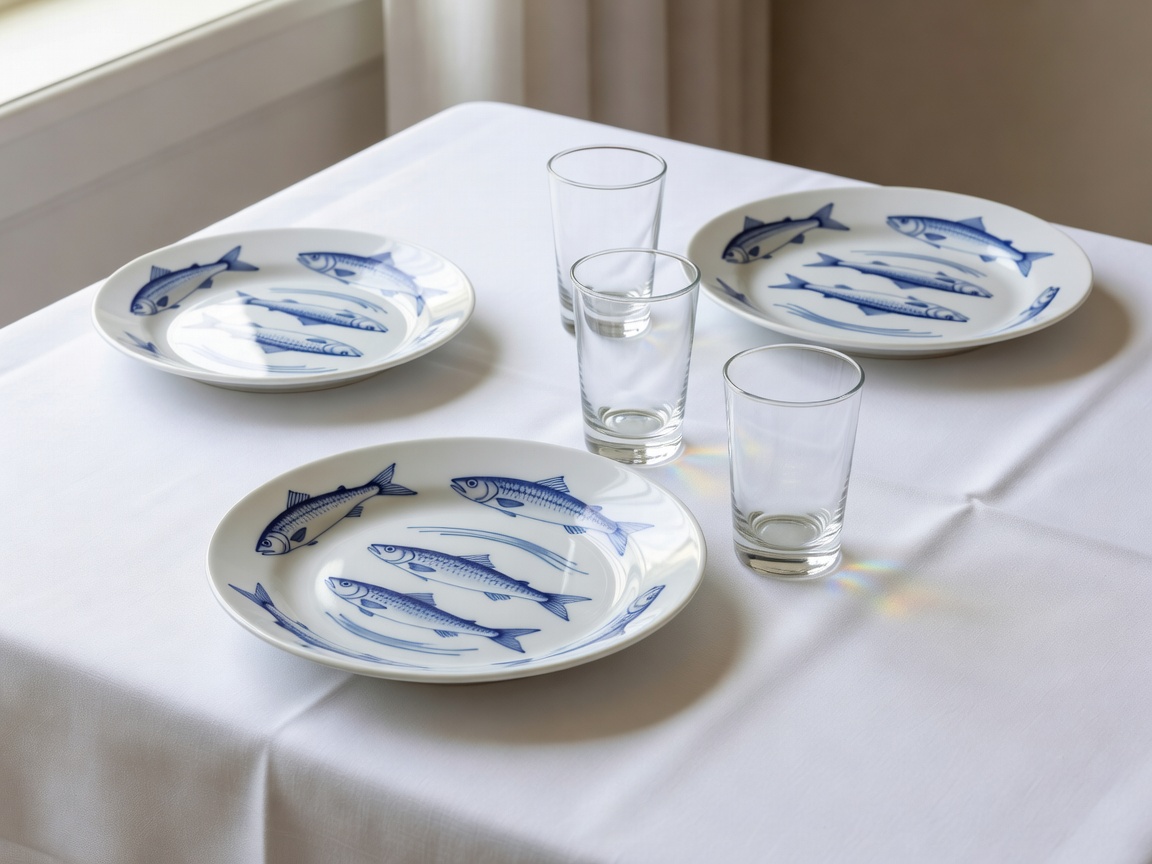
Traditional Lunch Taverns (Frokostrestauranter)
In Denmark and southern Sweden, daytime dining has its own dedicated institutions known as frokostrestauranter. These establishments focus almost entirely on midday meals, usually open from 11:30 to 16:00. This is the realm of classic smørrebrød, warm fried plaice with remoulade, smoked eel with scrambled eggs, and cold snaps (aquavit) served in icy thimble glasses.
Bakeries & Coffee Roasteries
It is impossible to discuss Nordic dining without paying homage to bakeries. In cities like Copenhagen, Stockholm, and Helsinki, bakeries often command the longest morning queues in town. These are not dainty patisseries; they are workshops turning out blistered sourdough loaves with deep malty crusts, flaky cardamom swirls laminated with salted European butter, and rye seeded buns with aged mature cheese.
Many top bakeries double as daylight cafés where you can grab an artisan filter brew (typically light-roasted to showcase origin acidity) alongside a soft-boiled egg and sourdough with butter (a classic morning staple known in Denmark as BMO, or bolle med ost).
Seafood Dining: Harbor Smokehouses to Raw Bars
Coastal towns across Norway's western fjords, Sweden's Bohuslän coast, and Denmark's northern tips are dotted with røgerier (smokehouse restaurants). These unvarnished seaside halls feature outdoor wooden picnic tables where you can eat warm smoked mackerel fresh from smoking chambers, peel-your-own Atlantic pink prawns with mayonnaise, and bowls of creamy fish soup made with cod trimmings and leeks.
In larger cities, modern seafood bars bring this heritage indoors, offering raw shellfish platters, pickled Baltic herring flights, and charcoal-grilled whole fish without unnecessary sauces that would hide the fresh marine sweetness.
Practical Dining Etiquette & Planning
A few universal rules will make dining out in the Nordic countries seamless:
- Reservations are essential: Even casual neighbourhood bistros fill up days or weeks ahead. Popular weekend brunch spots and contemporary dinner tables frequently open their reservation books on the first day of each month.
- Tipping is not compulsory: Service is built into the bill by law, and hospitality workers receive fair hourly wages. Rounding up to the nearest round number or leaving 5–10% for exceptional hospitality is welcomed but never expected.
- Dress codes are relaxed: Clean, minimalist casual clothing is the norm everywhere. Even at the highest echelon of dining, you will rarely see suits or formal evening gowns unless an event specifies it.
- Water is always tap: Municipal tap water in the Nordics is among the cleanest on earth. It is normal and encouraged to order tap water (postevand, kranvatten) at any table.