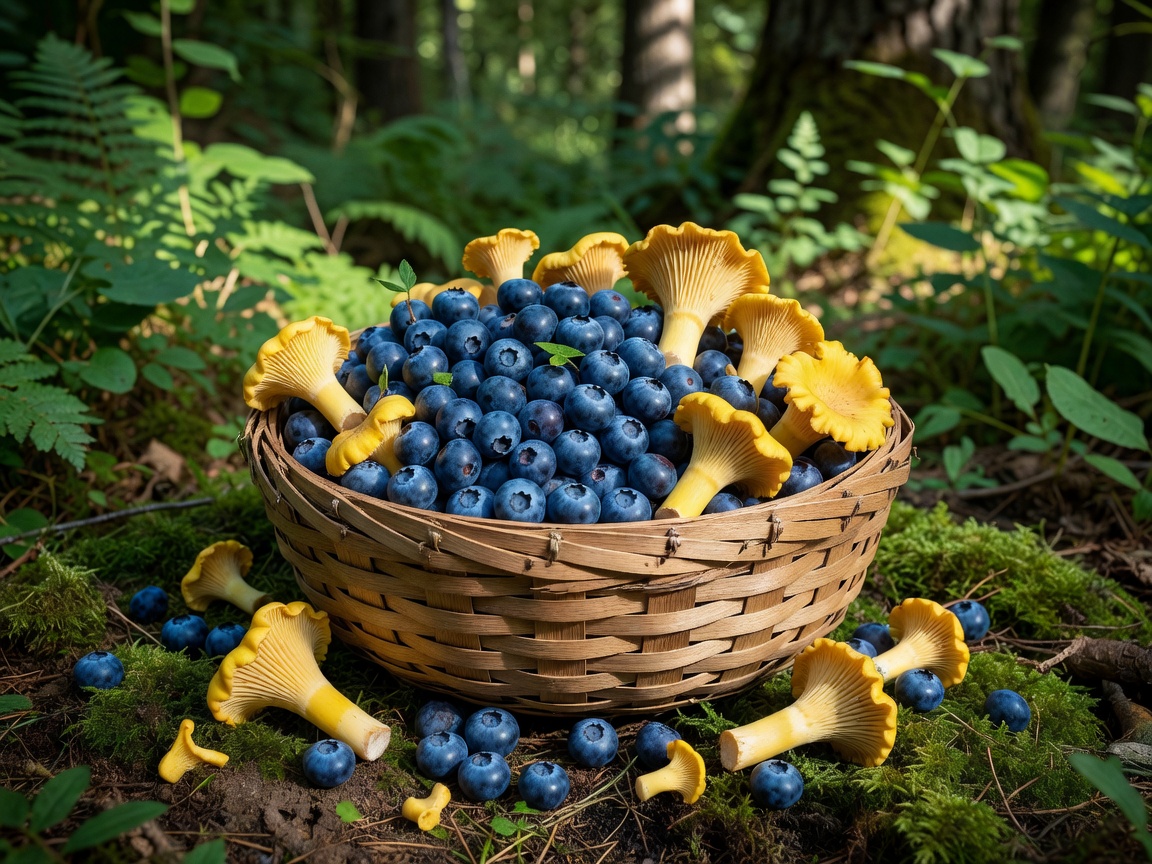
Culinary Ecology
HOW GEOGRAPHY SHAPES THE NORDIC PALATE
To understand northern food, you have to look at the map. High latitudes mean long winter darkness balanced by 20-hour summer sun. That intense summer daylight doesn’t create Mediterranean heat; instead, it causes berries, roots, and brassicas to grow slowly, concentrating their sugars and aromatic acids.
A strawberry grown north of the Arctic Circle in July isn’t large and watery; it’s intensely fragrant and tart. A turnip pulled from damp Danish soil in October holds a peppery sweetness that comes only from surviving chilling ground temperatures.
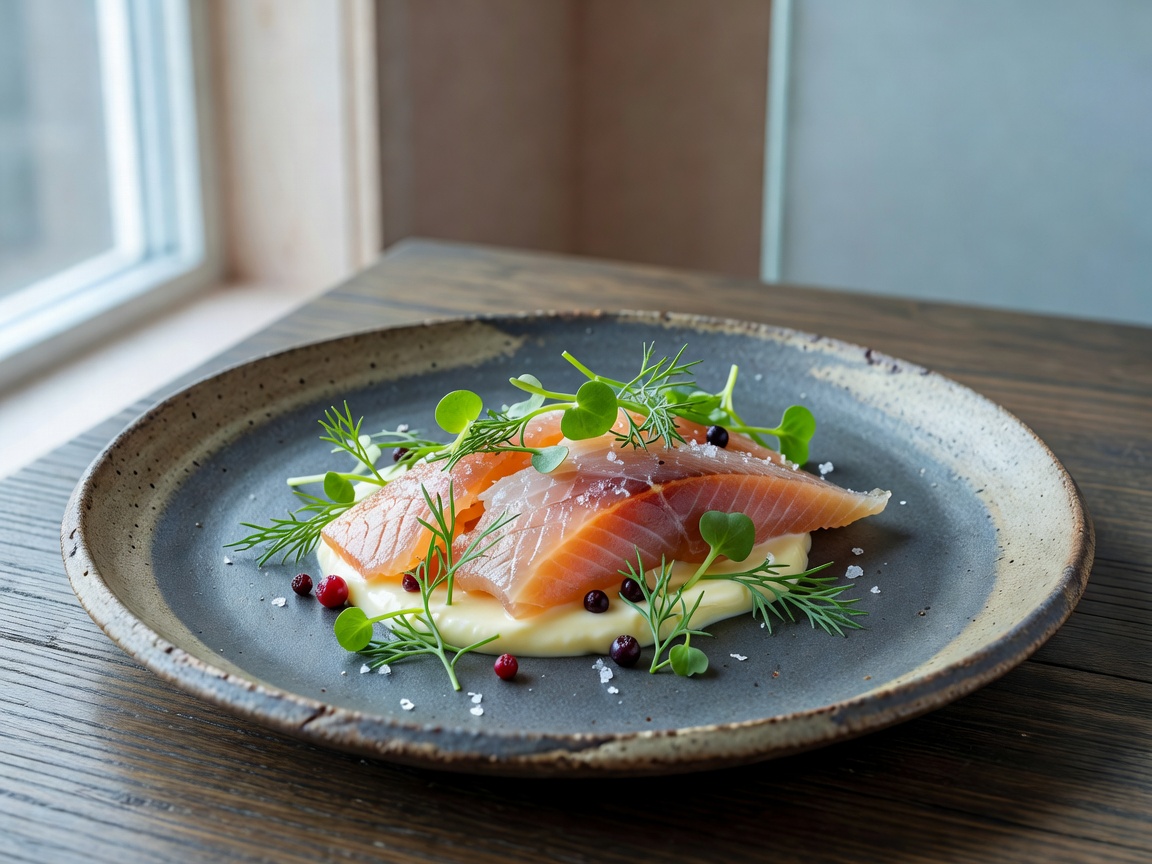
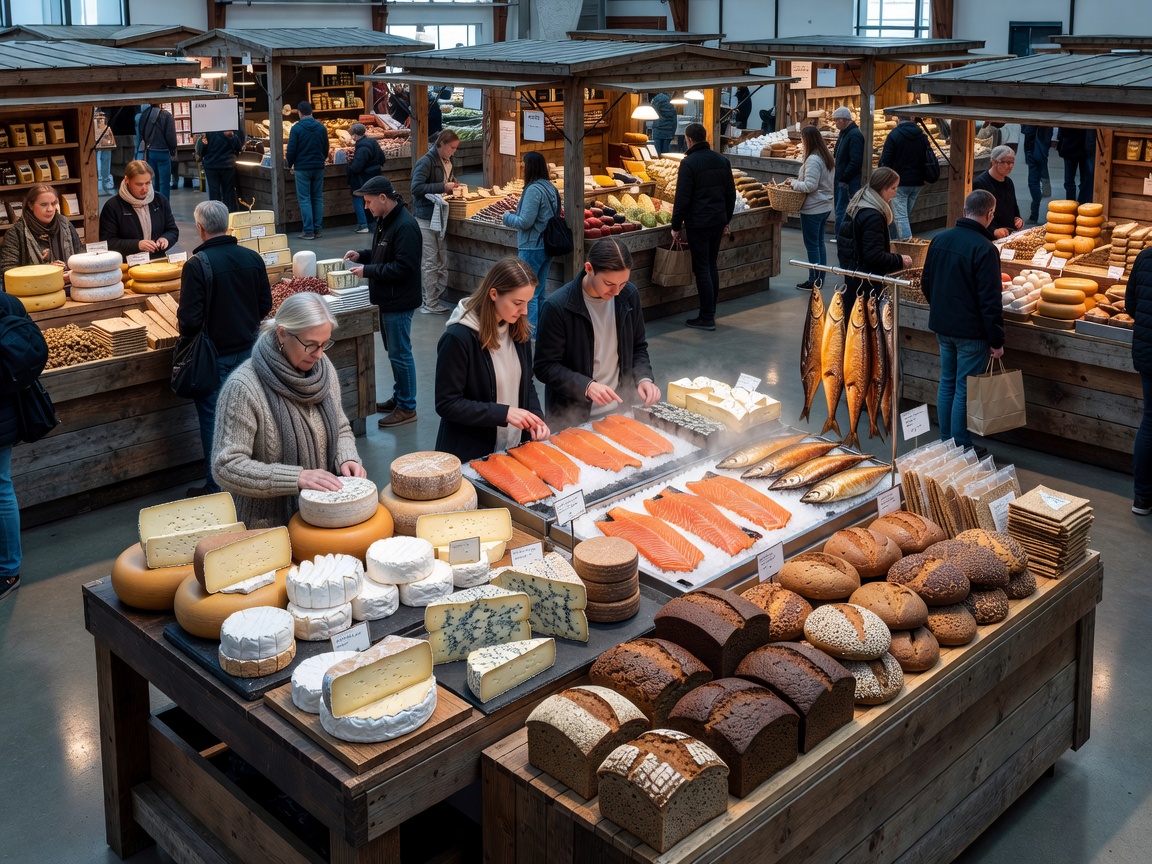
Add thousands of kilometers of rocky fjord coastline, archipelagos with brackish waters, and dense taiga forests, and you get a kitchen that has always been reliant on hyper-local resources. Fermentation and smoking were never trendy culinary inventions here; they were the absolute baseline for survival between November and April.
24h
Summer Daylight
Forces concentrated sugar development in native wild berries and orchard apples.
100%
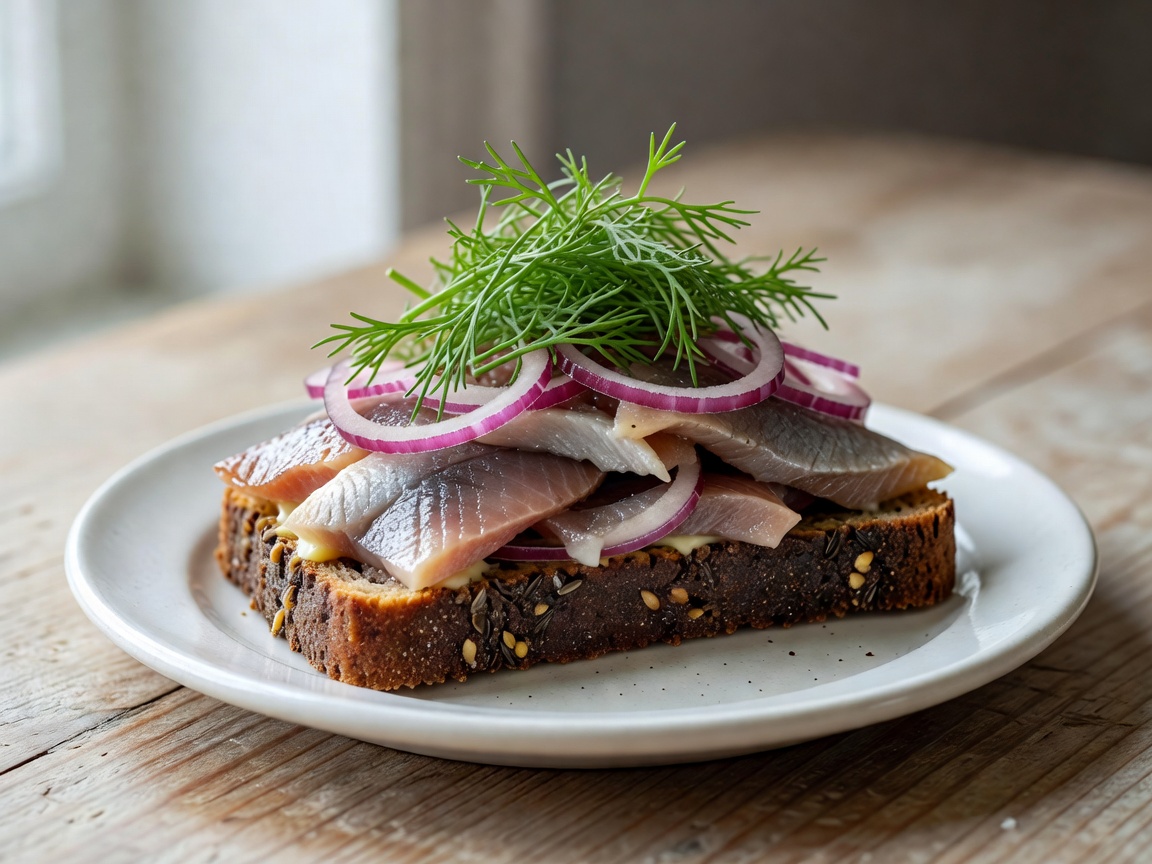
Whole Grain Rye
Thrives in acidic soil where wheat fails, forming the carbohydrate bedrock of Nordic sustenance.
0°C
Cold Water Purity
Slower growth cycles create denser, firmer flesh in Arctic cod, langoustines, and brown crab.