The Sanctity of Fika
To call fika simply a "coffee break" is to misunderstand one of the most enduring social institutions in Swedish life. Fika is both a noun and a verb. It is a deliberate, daily ritual where friends, colleagues, or families pause whatever they are doing, sit down together, and share freshly brewed coffee alongside something baked—typically a cardamom or cinnamon bun (kanelbulle).
In workplaces, fika happens at designated times (often around 10:00 and 15:00). Hierarchies flatten around the coffee pot; managing directors and apprentices sit at the same table, talk about their weekend plans, and decompress. Grabbing a coffee in a disposable cup to walk back to your keyboard is not fika—presence and conversation are the core ingredients.
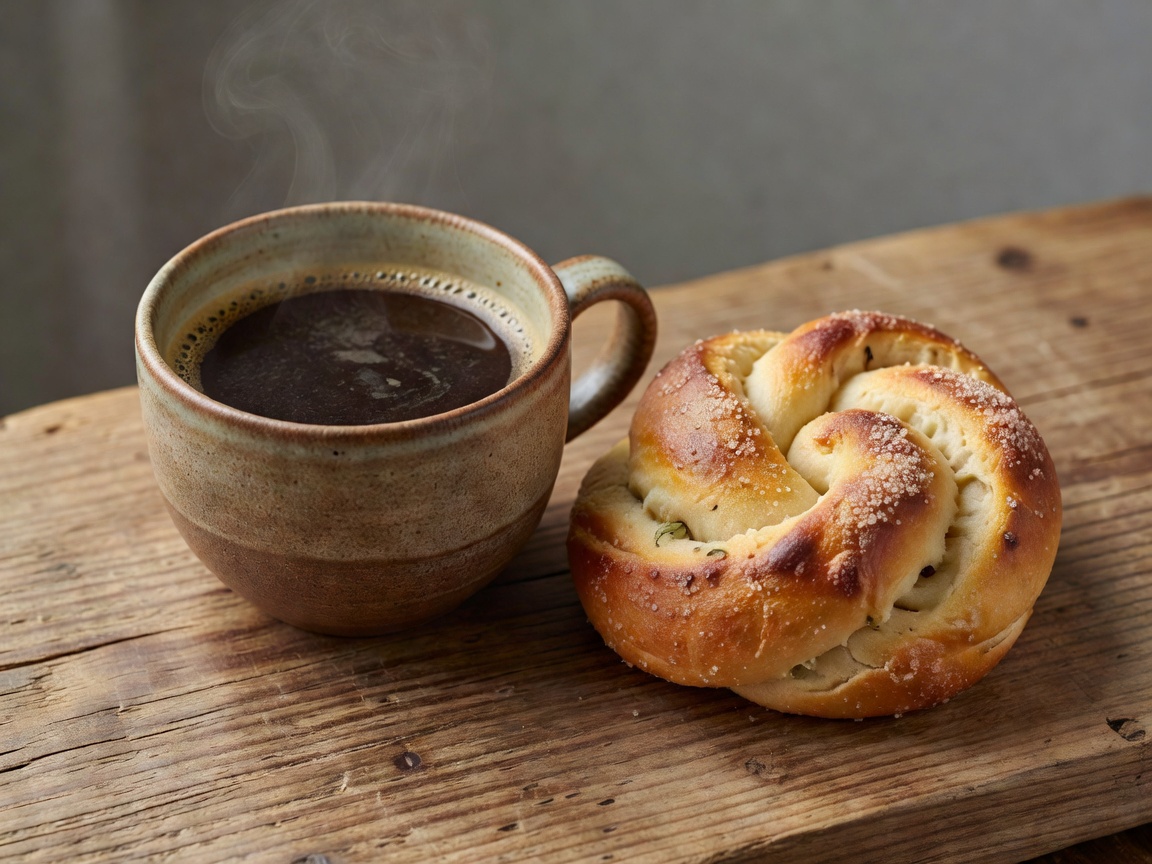
The Coffee & Pastry Pause
The Nordic region leads the globe in coffee consumption per capita. Lightly roasted filter drip coffee (never burnt, never masked with sugary syrups) is the beverage of choice, paired with baked goods made using real butter, sourdough starters, and whole aromatic spices.
Summer Feasts: Kräftskiva (The Crayfish Party)
In August, as late-summer nights begin to turn dark and cool, Sweden and Finland throw open garden verandas for the kräftskiva. This raucous outdoor celebration marks the end of the short summer season.
Freshwater crayfish (or saltwater langoustines on Sweden’s west coast) are boiled in salted water with immense bunches of flowering dill crowns and left to chill in their seasoned broth. The table is dressed with paper moon lanterns, conical paper hats, and bibs. Diners crack shells with their bare fingers, slurp the dill-perfumed cooking juices directly from the claws, and sing short traditional drinking songs (snapsvisor) before knocking back a small thimble of cold caraway aquavit.
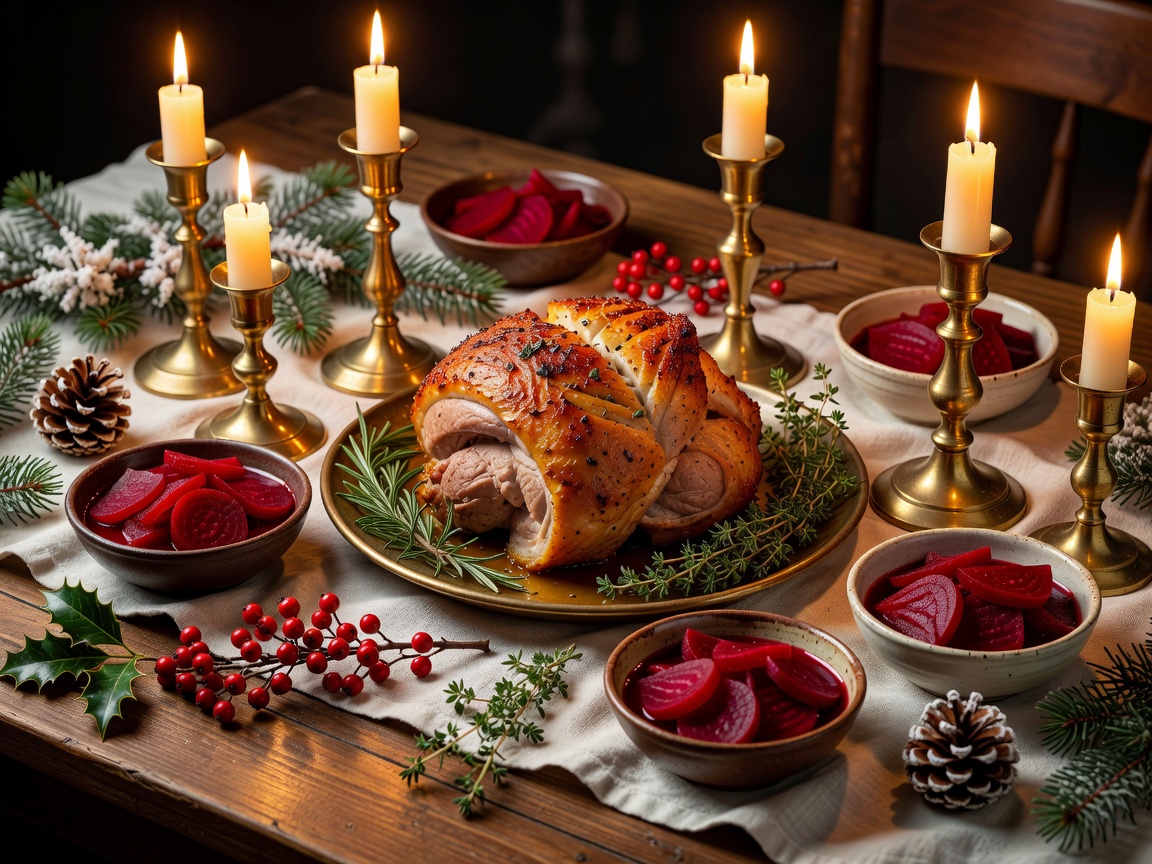
The Holiday Smörgåsbord (Julebord / Julbord)
From late November through Christmas Eve, families and company teams gather for julbord (Sweden) or julebord (Norway). It is a multi-course buffet governed by strict unwritten choreography. Diners must not fill a single plate with everything; you take separate clean plates for fish first, cold meats second, hot roasts third, and desserts last.
Everyman's Right (Allemansrätten) & Foraging
You cannot understand northern food without grasping the legal concept of Allemansrätten (The Public Right to Roam), enshrined in law in Sweden, Norway, and Finland. This right grants anyone permission to walk through any forest, paddle across any lake, and pitch a tent for a night—provided you leave no trace and do not disturb private homesteads.
Crucially, this right includes the legal freedom to forage for wild berries, mushrooms, flowers, and herbs for personal consumption. In July and August, millions of Nordic residents head into spruce and pine woods carrying plastic buckets to harvest wild bilberries (European blueberries), cloudberries, and yellow chanterelles. Foraging is not an elite restaurant trend here; it is an ordinary family afternoon activity.
Casual Modern Customs: Fredagskos
While traditions can be ancient, modern rituals are just as revealing. In Norway, Friday evenings are dedicated to fredagskos (Friday coziness). By curious collective agreement that began in the 1990s, the official dish of fredagskos across the entire country is homemade tacos—seasoned ground meat, hard corn shells, shredded yellow cheese, and salsa, eaten on the sofa while watching television with family. It is unpretentious, comfortable, and a beloved marker of the transition into the weekend.
Midsummer Celebrations
Midsummer Eve (late June) is the emotional apex of the northern year. After long winter darkness, people travel to rural summer houses, weave wildflowers into wreaths, dance around the maypole, and sit at outdoor wooden trestles under the midnight sun. The menu is universally standardized: new season baby potatoes boiled with heaps of fresh dill, jars of pickled herring, sour cream (gräddfil), chopped chives, and big bowls of fresh local strawberries with heavy cream.