The Architecture of the Saluhall
In the late 19th and early 20th centuries, major Scandinavian cities built grand covered food halls (saluhallar in Sweden, torvehaller in Denmark, kauppahallit in Finland) to move perishable goods off mud-slicked street squares and into hygienic, climate-stable brick-and-iron temples.
Today, these halls are not museum pieces; they are thriving commercial hubs where generational fishmongers stand alongside specialty cheese affineurs, micro-roasters, and sourdough bakeries. The layout typically divides the floor into dedicated zones: pristine fish on crushed ice near the exterior access doors, cured meats and cheeses in the middle avenues, and hot food counters ringing the perimeter.
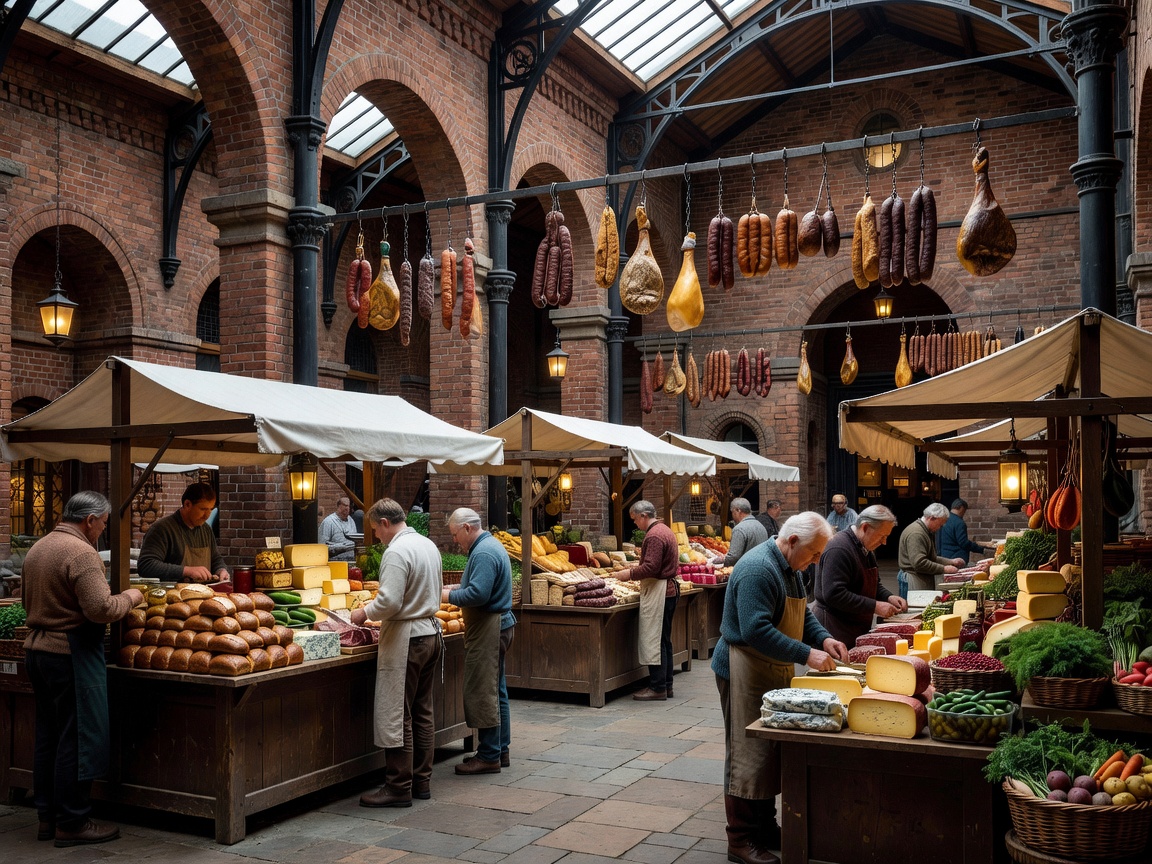
Indoor Covered Halls (Saluhallar)
These historic halls are ideal for lunch or curating an impromptu picnic. You will find small sit-down counter stools where you can point to whole grilled mackerel, bowls of steaming fish stew (fisksoppa), or platters of farmhouse goat cheeses.
Navigating the Fishmonger Counters
The seafood displays in northern markets can be staggering if you are unaccustomed to cold-water species. Here are the core items to look for and ask about:
- Cured & Pickled Sill: Most fish stalls keep wooden barrels or chilled glass jars filled with herring cured in spices. Ask for a "smakprov" (taste sample); staff are routinely delighted to let you compare onion-brined herring to mustard or blackcurrant cures.
- Smoked Fish: Look for the distinction between warm-smoked (varmrøget) and cold-smoked (koldrøget). Hot-smoked salmon or mackerel is flaky, moist, and ready to eat straight out of butcher paper with a fork. Cold-smoked fish is sliced paper-thin like silk.
- Vendace Roe (Löjrom): Sourced primarily from the fresh waters of the northern Gulf of Bothnia (Kalix löjrom holds protected designation of origin status), these tiny, bright-orange pearls are clean, delicate, and distinctly nutty.
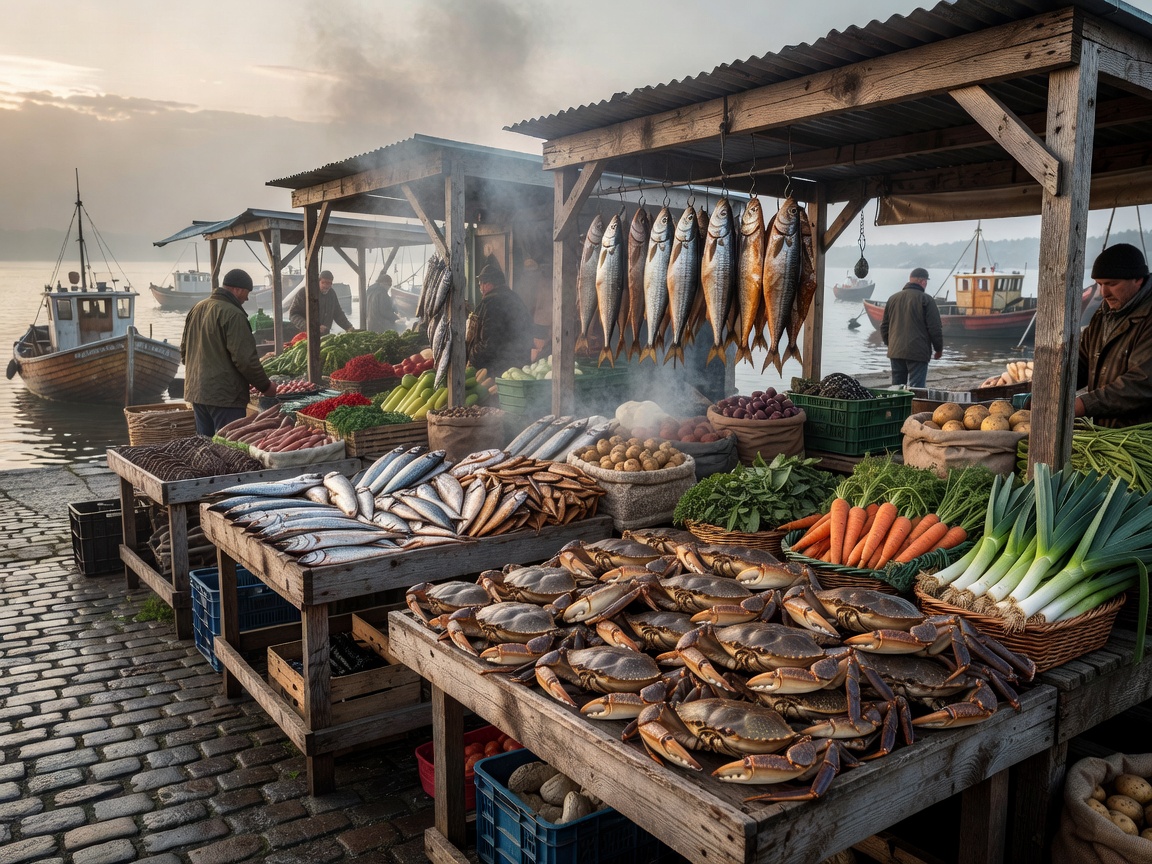
Coastal Fish Wharves & Square Stalls
Along harbor fronts—from Bergen’s historic quayside to Helsinki’s Kauppatori—outdoor stalls pop up from early spring to late autumn. Here, local fishermen tie up boats and sell straight from the gunwales, while canvas-topped wooden tables showcase wild chanterelles, tiny new potatoes, and punnets of cloudberries.
Market Etiquette & Practical Rules
Visiting a Nordic market is uncomplicated, but observing local customs keeps interactions pleasant:
- Queue numbers (Kö-lapp): At busy cheese or fish counters, look for a small red ticket dispenser mounted to the counter edge. Take a numbered slip and wait for your digits to illuminate on the electronic display board. Stepping ahead of the queue without a ticket is considered poor form.
- Do not squeeze the produce: Unlike in southern European markets where shoppers might prod melons, Nordic vendors prefer to select fragile berries or heirloom tomatoes for you unless tongs or paper bags are provided.
- Cash is virtually obsolete: Almost every vendor—even solo growers selling elderflower cordial from folding tables—prefers contactless debit/credit cards or local mobile payment systems. Carrying large amounts of physical banknotes is unnecessary and often refused.
- Sampling is encouraged: If you are genuinely interested in buying farmstead cheese (such as Swedish Västerbottensost or aged Danish Danbo), ask politely for a small sliver. Counter staff take immense pride in their provenance stories.
Street Food in the Modern Market
In recent years, market spaces have evolved into hubs for street food that celebrates both regional traditions and immigrant communities. Alongside Finnish muikut (tiny vendace fish dredged in rye flour and fried crisp in butter on giant outdoor skillets), you will find Icelandic lamb soup (kjötsúpa) ladled into crusty sourdough bowls, and Danish pork roast sandwiches (flæskestegssandwich) layered with crackling pork skin, pickled red cabbage, and sour pickles.